
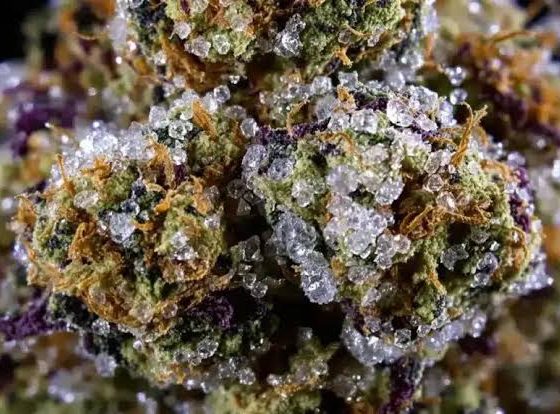

What builds trichome density?
Trichome coverage forms in direct response to light exposure. Density builds as the plant advances through its final growth stages, with visible changes accelerating well after the halfway point of flowering.
Resin glands appear early, often within the first few weeks after the light cycle shifts, though most of the noticeable crystal development happens much later, once calyxes have reached a fuller size. Light intensity plays the largest role in how thick this coating eventually becomes. Stronger exposure pushes the plant to produce more glands, largely as a natural defence against ultraviolet stress. https://www.exhalewell.com/thca-flower/ builds this coating gradually, with density increasing week by week rather than appearing suddenly near harvest. Genetics set an upper limit, too. Some plant lines carry heavier resin production built into their lineage, regardless of the growing conditions applied around them. A stagnant airflow near bud sites also slows crystal formation, since this traps humidity and slows the surface drying it depends on.
Why do trichomes turn cloudy?
Trichome heads shift from clear to cloudy once cannabinoid concentration rises inside each gland, usually during the final weeks before harvest.
A clear trichome indicates early development, when resin production has begun, but cannabinoid content has not yet reached its peak. Cloudiness spreads across the bud surface gradually as glands mature. It typically begins near the base of each cola before moving outward toward the tips. Growers track this shift closely because it offers a fairly dependable visual cue for timing harvest near peak potency. Amber trichomes follow the cloudy stage eventually, though many cultivators stop well before amber becomes dominant across the whole plant.
A few conditions tend to speed up this visible transition:
- Cooler nighttime temperatures during late flowering often accelerate cloudy trichome development.
- Reduced humidity near harvest can concentrate resin production closer to the surface.
- Slight stress introduced in the final stretch sometimes intensifies gland size quickly.
Environmental crystal variables
Growing conditions build directly onto genetic baseline traits. Together, they shape how thick and visible crystal coverage becomes by the time harvest arrives.
Trichomes are partly designed to protect against sun damage, so ultraviolet exposure remains the strongest external driver. Plants grown under filtered light usually appear thinner and less frosted than those grown under stronger light. Humidity swings during the final weeks shift resin concentration, too. Drier stretches tend to push production toward the surface, while damper conditions spread it more evenly across the bud. Temperature drops late in flowering can intensify this effect further, often working alongside ultraviolet exposure to raise overall gland density.
Genetic density limits
Underlying genetics decide the ceiling for how much resin a plant line can ultimately produce, no matter what growing conditions are applied.
Some lines carry naturally heavy trichome expression built into their lineage. These plants develop thick coverage even under moderate light and average humidity. Others stay comparatively sparse, since their genetic makeup caps resin output lower from the start, regardless of how carefully growing conditions get adjusted around them. Breeding history plays a role here, too. Lines selected specifically for resin production over generations tend to outperform those bred mainly for yield or structure. This genetic ceiling explains why identical growing setups can still produce noticeably different crystal coverage across different plant varieties.