
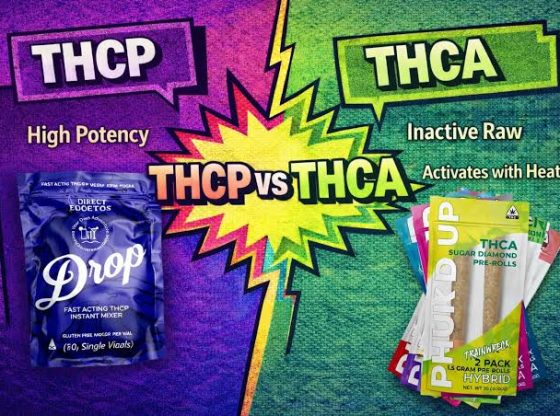

Milligram math changes completely once THCP enters a formula. Ordinary delta 9 products need 25 milligrams per gummy, maybe fifty for stronger lines. THCP servings run one or two milligrams, occasionally less, so raw material per unit sounds cheap until sourcing reality arrives. Nobody extracts this compound directly from hemp because plants produce it in trace amounts, fractions of a percent at best. Commercial supply comes from conversion processes demanding real chemistry talent, specialized equipment, and yields that disappoint constantly. BudPop operating across strong cannabinoid categories know this squeeze well. Per gram pricing for clean THCP distillate sits many multiples above delta 8 or delta 9 material, and purity certificates add lab spending that shoppers never see. So a 2 milligram serving can still cost more in active ingredient than a fifty milligram conventi
onal piece. Formulation labour climbs too, since dispersing tiny active amounts evenly through big batches is harder than working in bulk. Errors that vanish inside a 25 milligram gummy become label violations inside a two milligram one, and rejected batches burn expensive material nobody recovers.
Pricing power exists
Why bother then? Because shoppers pay premiums here willingly, and margins prove it every quarter. Strong products anchor the top shelf of any menu, pulling attention downward across the rest of a catalogue while setting the reference point casual browsers measure everything against. Buyers seeking intensity rarely price-compare the way casual buyers do. A jar priced forty percent above conventional gummies moves anyway, provided effects deliver, and repeat rates among satisfied intensity seekers beat category averages comfortably. Scarcity helps as well. Few brands run THCP lines competently, so operators who solved sourcing early face thin competition and hold pricing without discount pressure eating into anything.
Hidden expense categories
- Compliance review costs climb because novel cannabinoids attract regulator attention faster than settled ones.
- Insurance premiums rise once carriers spot conversion derived compounds anywhere in a portfolio.
- Customer education spending becomes mandatory, since confused buyers return products or never purchase twice.
- Testing runs deeper, potency plus residual solvents plus byproduct screening, each panel invoiced separately.
- Payment processing fees increase as some providers score novel cannabinoid merchants as having elevated exposure.
None of these lines appears on a product cost sheet. All of them land on the income statement eventually, usually together, and usually during a quarter when nobody wanted surprises.
Margin sustainability question
Long term, this niche faces a squeeze from two directions at once. Supply keeps improving as more chemists master conversion work, dragging input prices downward year after year, and every price drop invites new entrants who compete away yesterday’s premium. Meanwhile, regulation could tighten suddenly, stranding inventory or forcing reformulation overnight with no grace period. Smart operators treat current margins as a window rather than a permanent condition, using THCP profits to fund catalogue breadth instead of betting whole companies upon one molecule. Some already blend the compound into multi cannabinoid formulas, spreading exposure while keeping the premium story intact for shoppers who want it. Others bank the margin and build brand equity that survives whatever comes next.
High-potency economics reward whoever manages three things simultaneously: disciplined sourcing, honest education, and pricing courage. Miss any leg, and this category punishes fast, through returns, chargebacks, or inventory nobody will buy. Nail all three and a few product lines anywhere in hemp return margin this generous, at least while the window stays open, and windows in this industry never announce their closing date.