

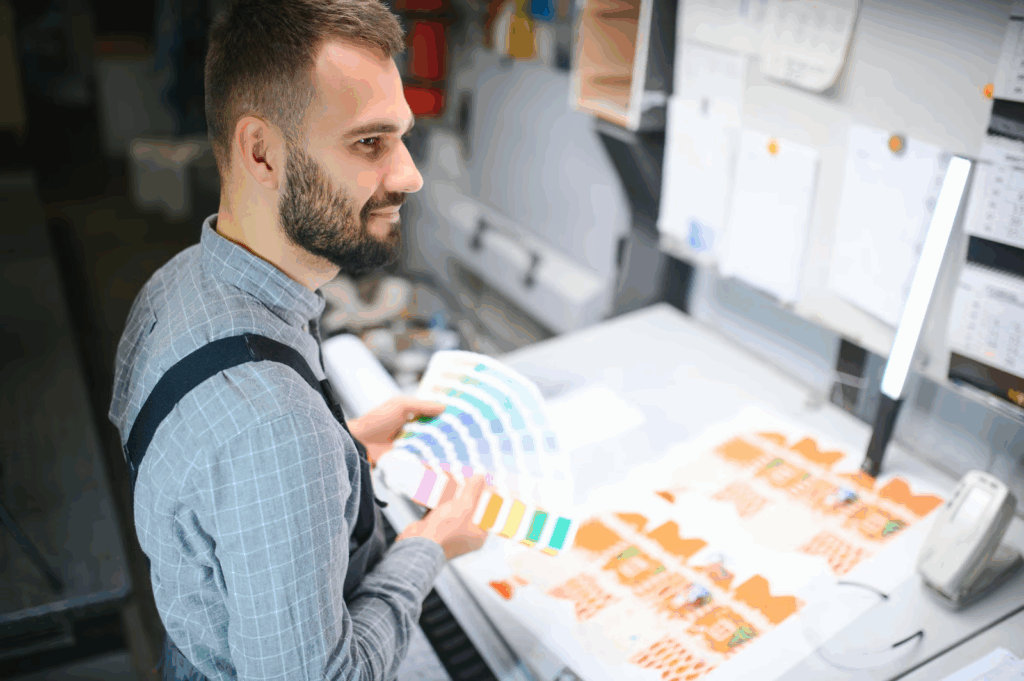
In today’s competitive marketplace, product labeling is more than just a requirement—it’s an essential part of brand identity and consumer engagement. High-quality labels communicate professionalism, ensure compliance, and create visual appeal that attracts customers. Whether for cosmetics, lubricants, or personal care products, precise design, durable materials, and accurate printing are key factors in maintaining brand reputation. Beauty product labels are central to conveying quality and authenticity while protecting consumers with critical information like ingredients, usage instructions, and safety standards.
Companies are increasingly seeking comprehensive labeling solutions that integrate creativity, compliance, and practicality. From concept development to final print, the right label transforms packaging into a marketing asset. Modern printing technologies allow vibrant colors, precise finishes, and versatile materials that meet industry standards. With careful planning, expert guidance, and quality printing, businesses can create labels that enhance the customer experience while reinforcing brand recognition across all product lines.
Beauty Product Labels: Defining Brand Identity and Compliance
The design and production of beauty product labels require a blend of creativity, compliance, and functional durability. Labels not only communicate brand identity but also ensure products meet regulatory requirements. Properly designed labels influence purchasing decisions, create a sense of trust, and enhance product appeal.
- Creative Design for Maximum Impact
A well-designed beauty label combines colors, typography, and imagery that resonate with the target audience. Designers focus on brand consistency and visual storytelling to make the product stand out on crowded shelves. High-resolution graphics, elegant layouts, and balanced information placement create labels that are both visually appealing and informative.
- Material Selection Matters
Labels are exposed to different environments, from humid bathrooms to makeup bags. Choosing water-resistant, tear-proof, and UV-stable materials ensures that the label remains legible and intact throughout the product lifecycle. Quality material selection reflects attention to detail and reinforces premium positioning.
- Regulatory Compliance
Beauty products are subject to stringent regulatory standards across markets. Labels must include ingredient lists, manufacturing details, usage instructions, and warnings. Partnering with experienced labeling experts ensures that beauty product labels meet legal standards while avoiding costly compliance issues.
- Printing Technology for Precision
Modern printing technologies such as digital, flexographic, and offset printing offer precision, consistency, and vibrant color reproduction. High-quality printing ensures sharp images, readable text, and smooth finishes, which improve consumer perception and brand value.
- Sustainable Labeling Practices
Eco-conscious consumers increasingly prefer brands that prioritize sustainability. Using recyclable or biodegradable label materials, eco-friendly inks, and minimizing waste in production enhances brand image and aligns with environmental responsibility.
Cosmetic Label Stickers: Enhancing Packaging Appeal and Functionality
Cosmetic label stickers bridge functionality and marketing appeal. They are often the first touchpoint between the product and the consumer, making design, durability, and accuracy crucial for impact.
- Brand Recognition Through Design
Cosmetic labels serve as a visual ambassador for the brand. Creative designs, consistent colors, and stylish typography make the product instantly recognizable. A cohesive look across product lines strengthens brand identity and builds customer loyalty.
- Accurate Product Information
Cosmetic label stickers provide essential information such as ingredients, shelf life, and usage instructions. Clear, legible text ensures consumer safety and helps build trust in the brand.
- Material Versatility
Cosmetic labels need to adhere to various surfaces such as glass, plastic, and metal. Materials like vinyl, polypropylene, or synthetic films provide durability and prevent smudging, peeling, or fading, even in humid or oily conditions.
- Custom Shapes and Finishes
Custom die-cut shapes, embossed designs, or foil finishes add a touch of luxury and exclusivity. These features create a premium perception and attract attention in competitive retail environments.
- Precision Printing Techniques
High-resolution digital printing ensures vibrant colors and intricate designs are accurately reproduced. This is critical for brands with detailed graphics or text that convey premium quality and sophistication.
Lubricant Labels Printing: Balancing Durability and Information
For industrial products like lubricants, lubricant labels printing demands functional durability and clear communication. Labels must withstand harsh environments such as oil exposure, heat, and abrasion, while providing critical product information.
- Durability in Harsh Conditions
Lubricant labels often encounter oil spills, mechanical wear, or temperature fluctuations. Materials like laminated films, synthetic papers, and waterproof adhesives ensure the label stays intact and legible throughout product use.
- Clarity of Information
Labels must communicate viscosity, application instructions, safety precautions, and batch numbers. Clear and precise printing reduces operator errors and supports regulatory compliance.
- Branding and Differentiation
Even industrial products benefit from strong branding. Attractive labels with bold typography and professional layouts enhance recognition and help products stand out in warehouses or retail outlets.
- Material and Adhesive Selection
Choosing the right combination of materials and adhesives ensures adhesion to metal, plastic, or glass containers. This prevents peeling, curling, or fading, maintaining product integrity during storage and transport.
- Advanced Printing Techniques
Techniques like UV coating, digital embossing, and high-resolution flexography produce professional-quality labels that resist wear and maintain visual appeal.
Streamlining Label Production: Integrating Design, Printing, and Delivery
Effective label production involves a seamless process from concept to print. Businesses benefit from integrated services that combine design consultation, material selection, printing, and delivery.
- Expert Consultation
Specialists assess brand requirements, target audiences, and product types to recommend label design, materials, and printing methods. This ensures that labels are not only attractive but also functional and compliant.
- Rapid Prototyping
Digital mockups and prototypes allow businesses to visualize the final product before mass production. This minimizes errors, aligns expectations, and ensures satisfaction with the design outcome.
- Efficient Printing Workflows
Advanced production workflows reduce lead times while maintaining high quality. Digital and automated printing systems increase consistency and allow scalability for large-volume orders.
- Packaging Integration
Coordinating label size, shape, and material with packaging ensures a perfect fit, avoids waste, and maintains a professional appearance on the shelf.
Conclusion
Beauty product labels, cosmetic label stickers, and lubricant label printing are essential for brand identity, consumer safety, and operational efficiency. From durable materials and regulatory compliance to creative design and precision printing, every aspect of labeling influences product success. Companies like Star Labels provide end-to-end solutions that combine expertise, technology, and quality control to ensure every label meets high standards. By partnering with experienced labeling providers, businesses can enhance product presentation, ensure regulatory adherence, and create lasting impressions on consumers across all industries.